
Energy Intelligence for Industrial Leaders
Power quality guides, energy efficiency strategies, and industry analysis from HarmoniQ's engineering team.

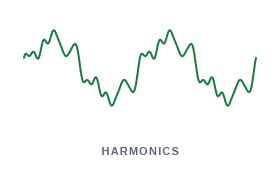
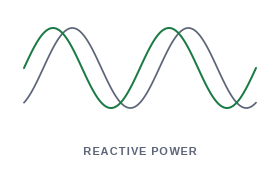
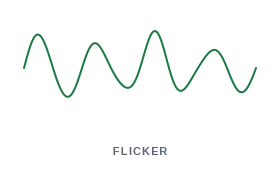

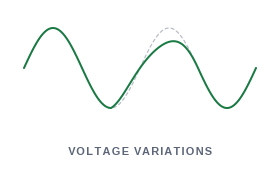

Featured · Power quality foundations · 13 min read · 4 May 2026 · Interactive
The Seven Sins of Power Quality
Seven phenomena corrupt the sine wave in every industrial supply. Pick one to see what it does to the wave, what it costs, and where HarmoniQ stands, including the one it doesn’t fix.
Read the article →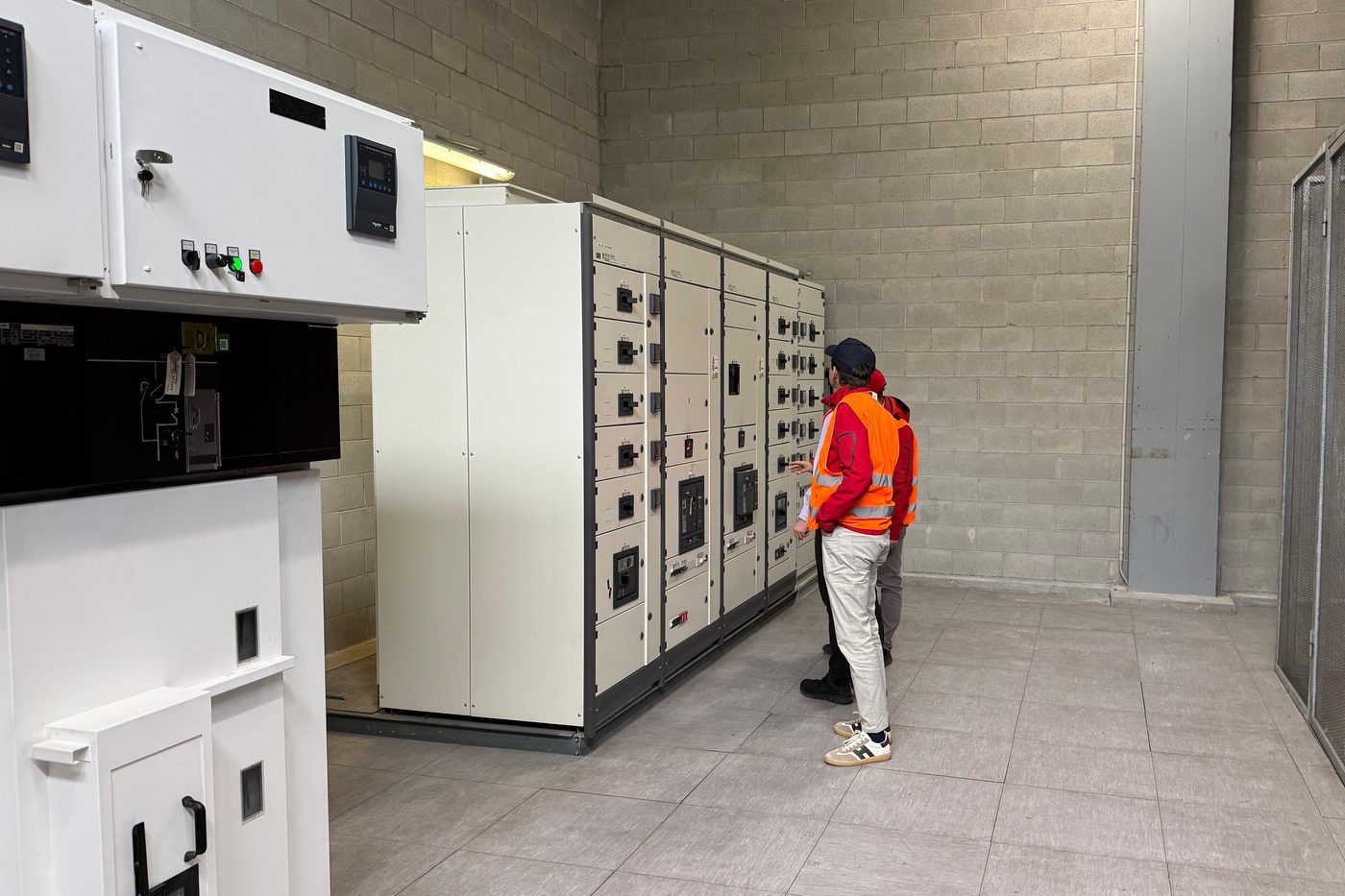 8 Jun 2026 · Technology · 10 minWhy Fixing Power Quality with Capacitor Banks at the Meter Isn't EnoughA shunt correction device cleans only the current upstream of where it sits. Fit it at the meter and every cable, transformer and motor inside the fence keeps carrying dirty current.
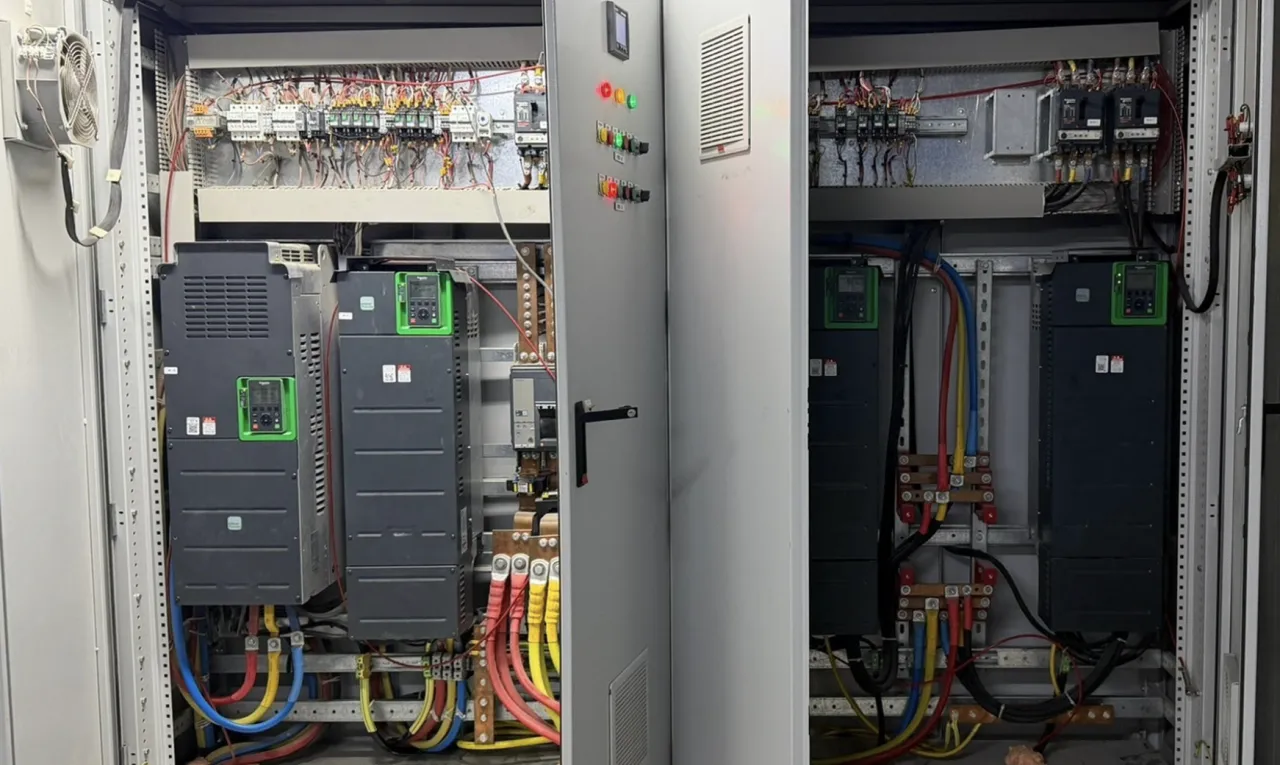 1 Jun 2026 · Technology · 8 min · InteractiveVSDs: The Harmonic Source Hiding in Every Modern PlantEvery pump, fan and compressor on a variable-speed drive saves energy at the motor and injects harmonics on the line. Step a drive from bare six-pulse to active front end, and fit a Delta.
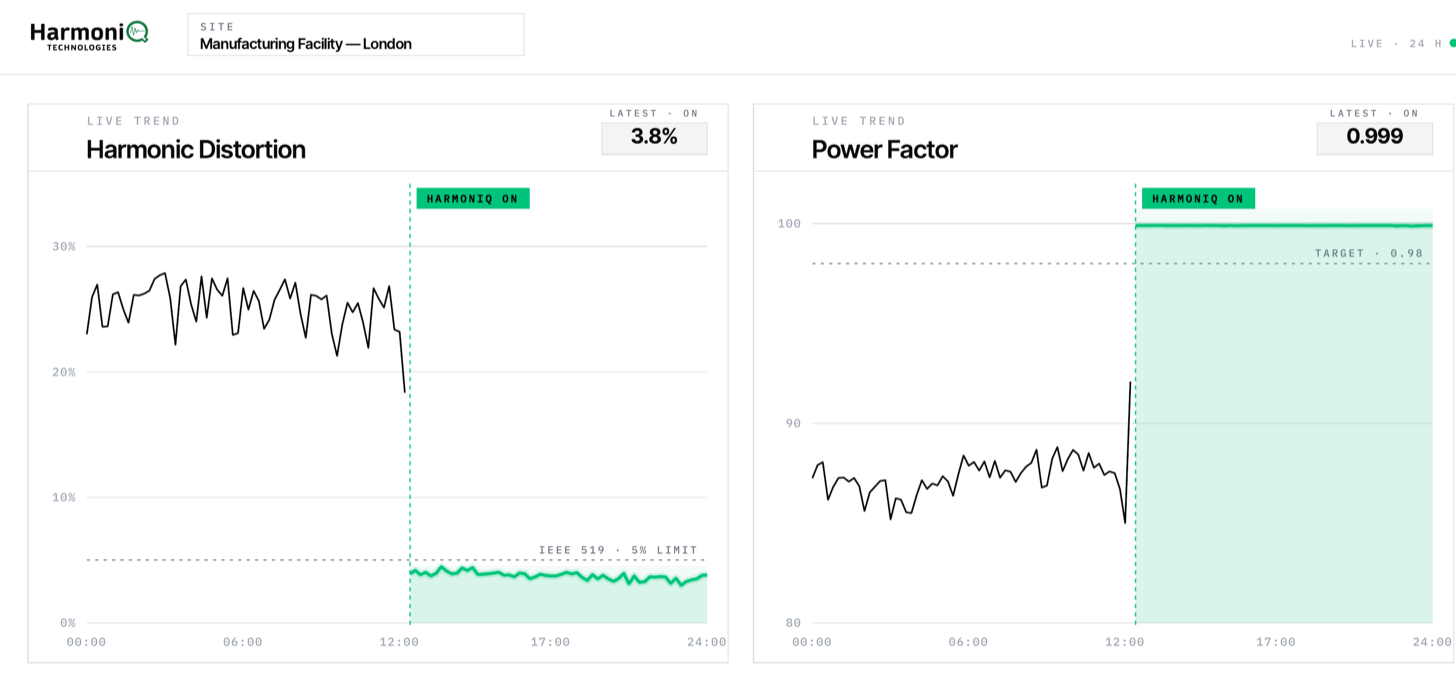 25 May 2026 · Measurement & verification · 7 min · InteractiveHow We Prove It: The On/Off TestThe most direct proof of a saving: switch the device on and off minutes apart and measure the same load both ways. Run the test yourself, then watch drift fool the wrong design.
 27 Apr 2026 · Technology · 7 minThe Solar Blind Spot: How Clean Energy Creates Dirty PowerEvery PV inverter injects harmonic current, proportionally more as output falls. Why capacitor banks can make it worse, and how correcting at the source protects the network.
 13 Apr 2026 · Measurement & verification · 5 min · InteractiveWeather Normalisation: Proving Energy Savings Are RealAny facility can use less electricity in a mild winter. Real savings survive weather normalisation, the regression method behind IPMVP Option C and ASHRAE Guideline 14, and the statistical tests that make a result credible.
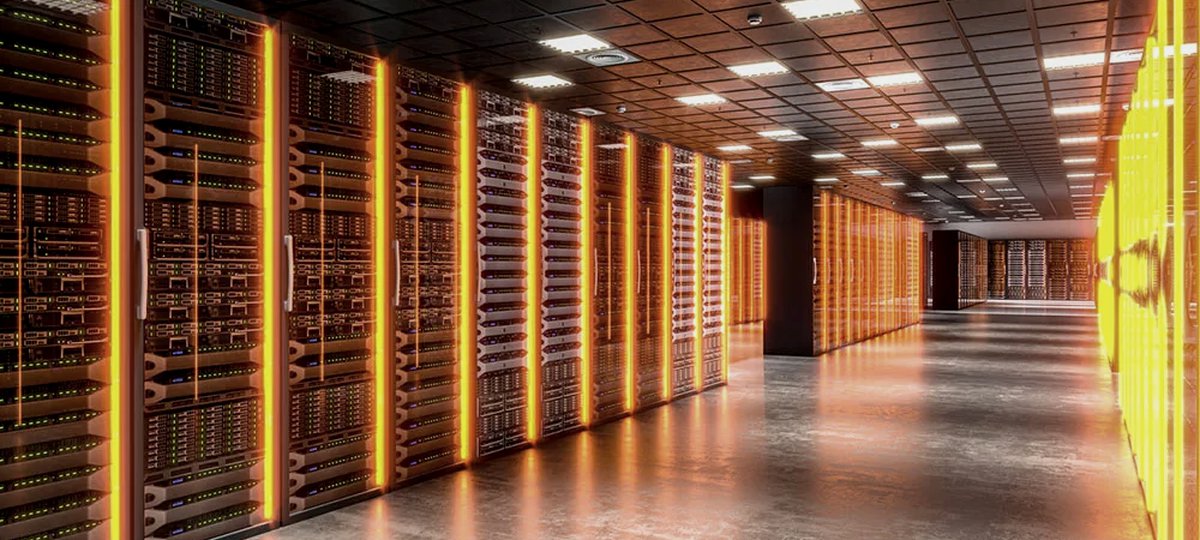 6 Apr 2026 · Energy trends · 13 minThe Electrification of Everything: Why Global Power Demand Is About to SurgeElectric vehicles, heat pumps, data centres and green hydrogen are arriving on the grid at once, all drawing power through electronics. What that means for industrial sites.
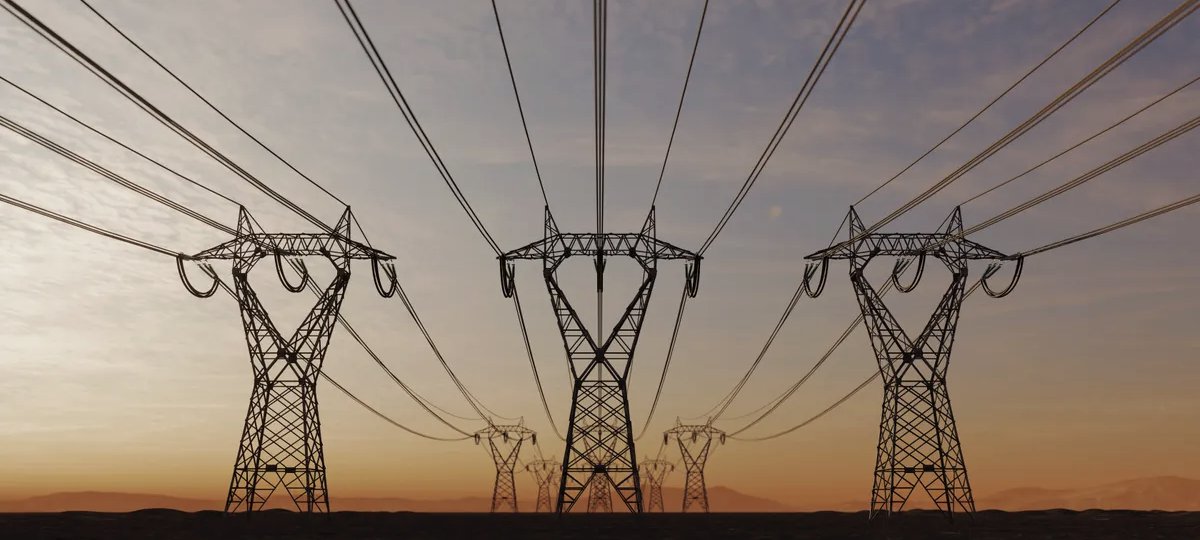 30 Mar 2026 · Grid capacity · 12 minUnlocking Grid Capacity Without Building New InfrastructurePoor power factor and harmonics fill a connection with current that does no work. Correcting them frees apparent power: room to cut agreed capacity or add load.
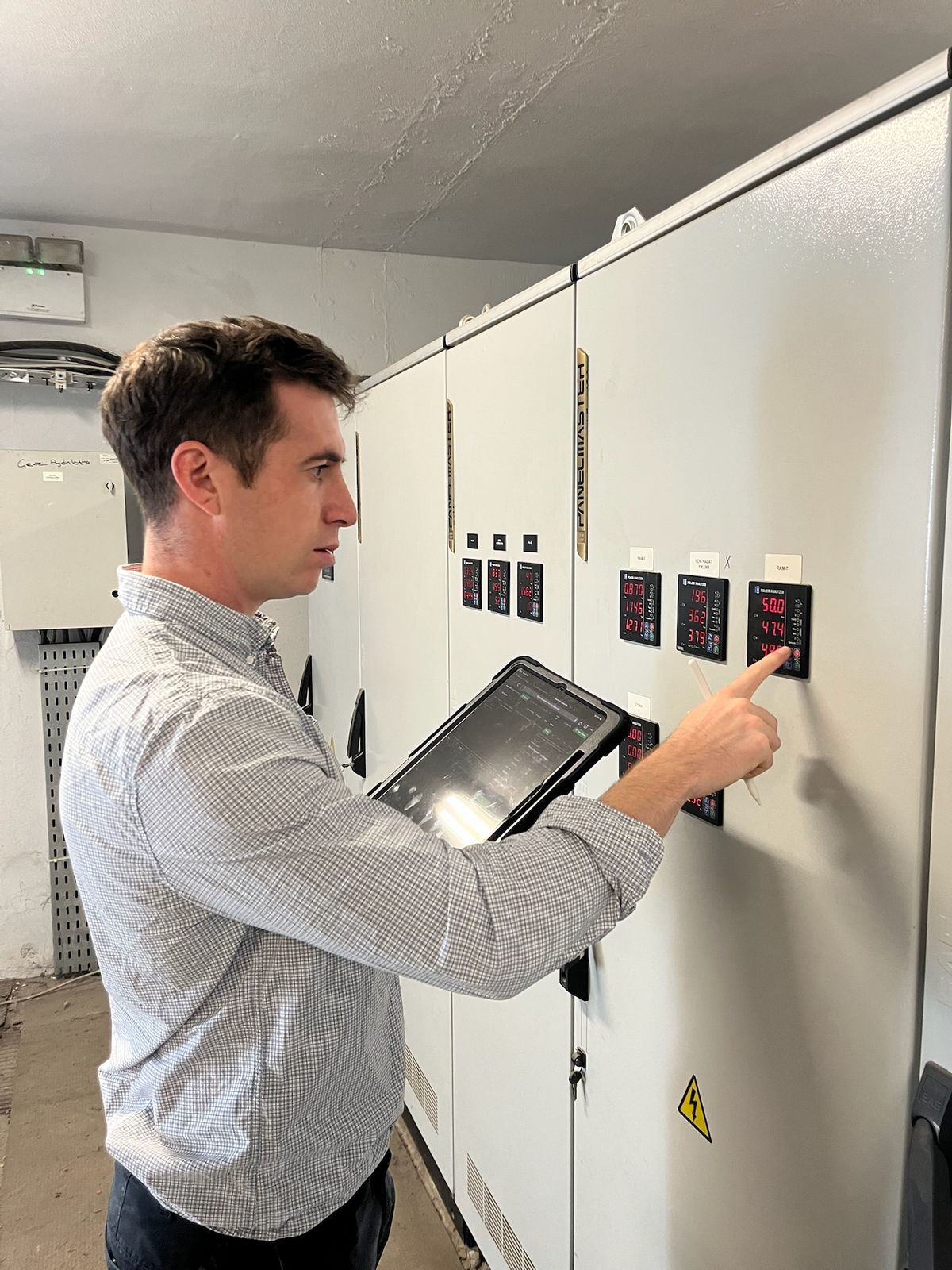 Mar 2026 · Measurement & verification · 10 minHow Utilities Calculate kWh: A Complete Breakdown of Every Input on Your BillYour meter measures only voltage and current; everything else on the bill is calculated or set by the tariff. How each input works, and when a saving reaches the bill.
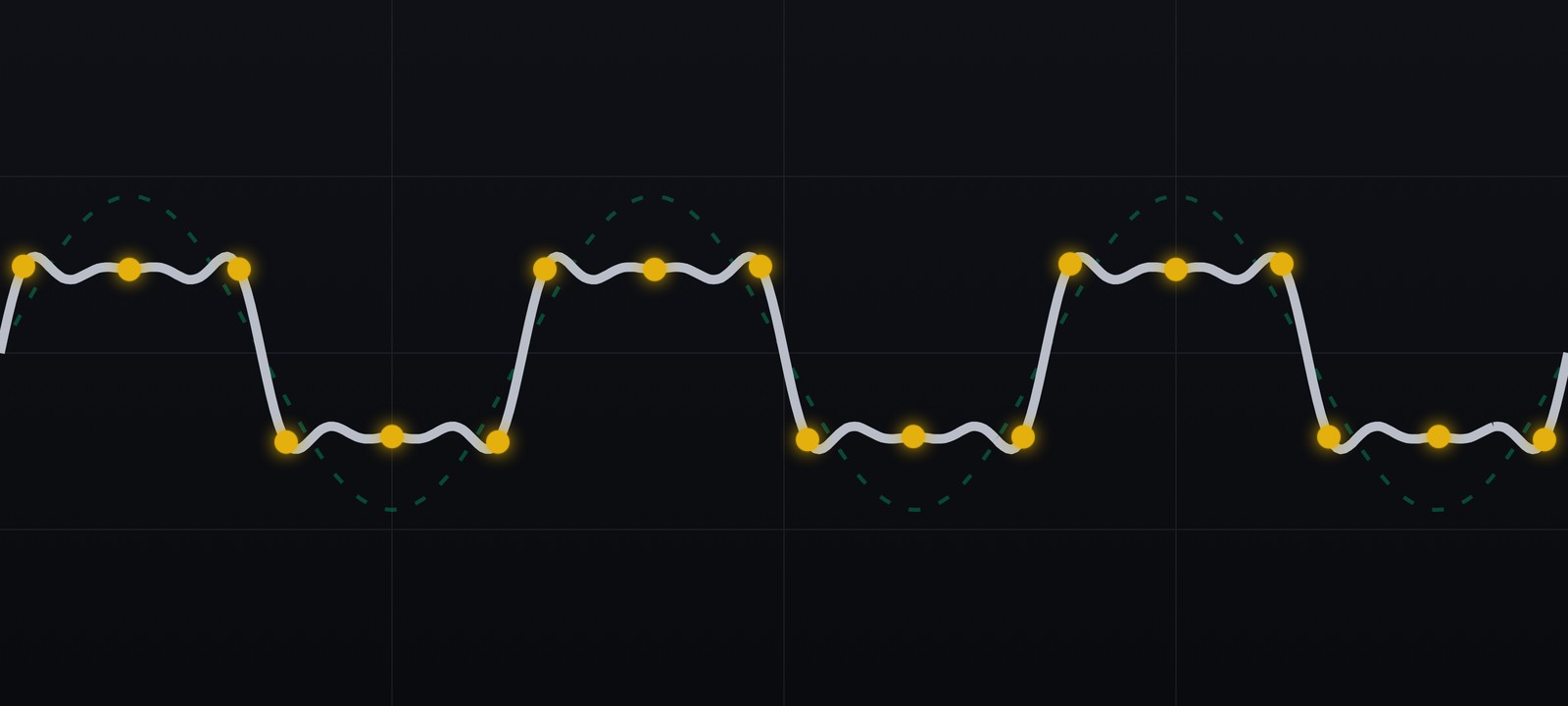 23 Feb 2026 · Technology · 13 min · InteractiveHarmonics: The Silent Equipment KillerDrives, UPS systems and LED drivers fill industrial networks with harmonic currents no meter flags. What harmonics are, why their losses rise with frequency, and what IEEE 519, IEEE C57.110 and IEC 61000 say.
 16 Feb 2026 · Equipment life · 14 minThe ESG Case for Equipment Life ExtensionEvery early replacement repeats the carbon, materials and waste of making a motor. How poor power quality shortens equipment life, and where longer life counts in ESG reporting.
 9 Feb 2026 · Sustainability · 10 minScope 2 Emissions: The Fastest Lever Most Companies OverlookMost Scope 2 plans buy certificates. Using less electricity needs none, and counts under both reporting methods. Why power-quality correction belongs first, and how to put its carbon in tonnes.
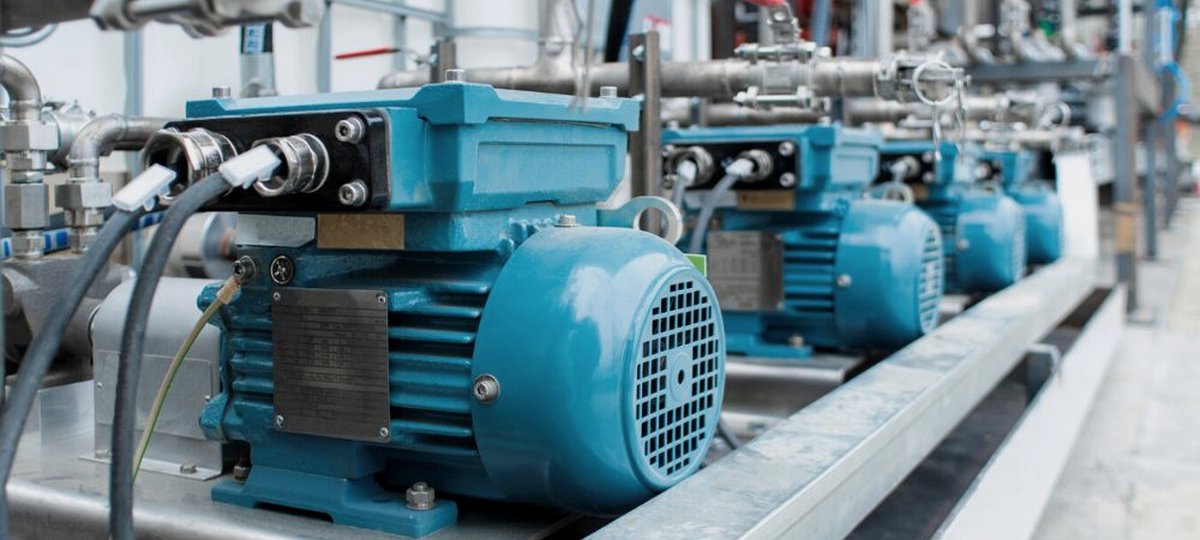 2 Feb 2026 · Equipment life · 11 minThe True Cost of an Industrial MotorA motor’s purchase price is a rounding error: over 15 years, electricity is nearly all of its cost. How harmonics, reactive current and imbalance inflate it, shorten motor life and wear bearings.
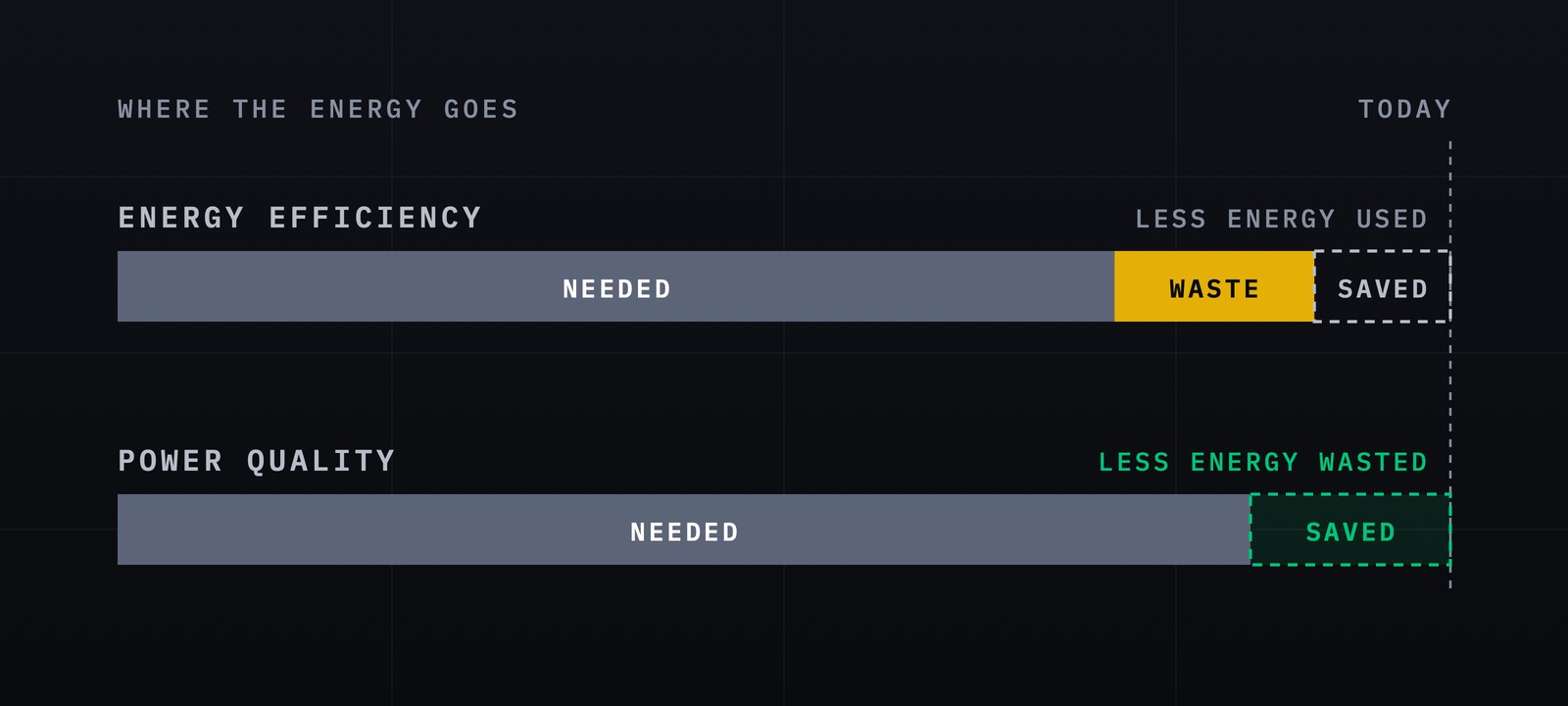 26 Jan 2026 · Technology · 15 minEnergy Efficiency vs Power Quality Optimisation: What’s the Difference and Why It MattersEnergy efficiency reduces what a site uses; power quality reduces what it wastes. Why the two add together, what audits and ISO 50001 miss, and how to measure both.
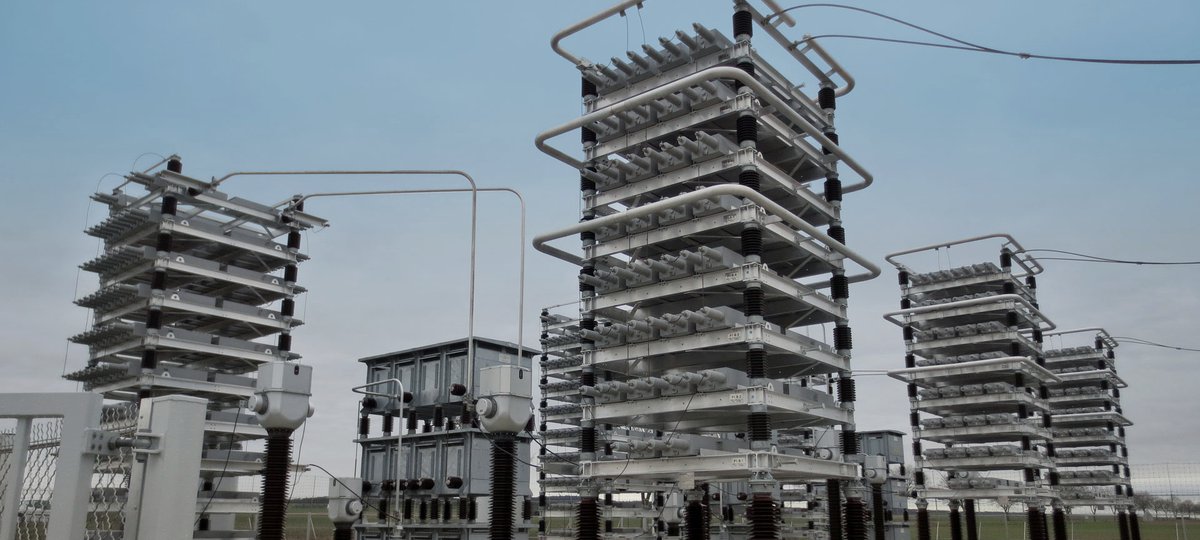 19 Jan 2026 · Technology · 11 min · InteractiveWhy Capacitor Banks Don't Solve the Full ProblemCapacitor banks compensate reactive power at the fundamental frequency, and that is all they do. Size a bank and watch it resonate with the transformer, then fit a detuning reactor.
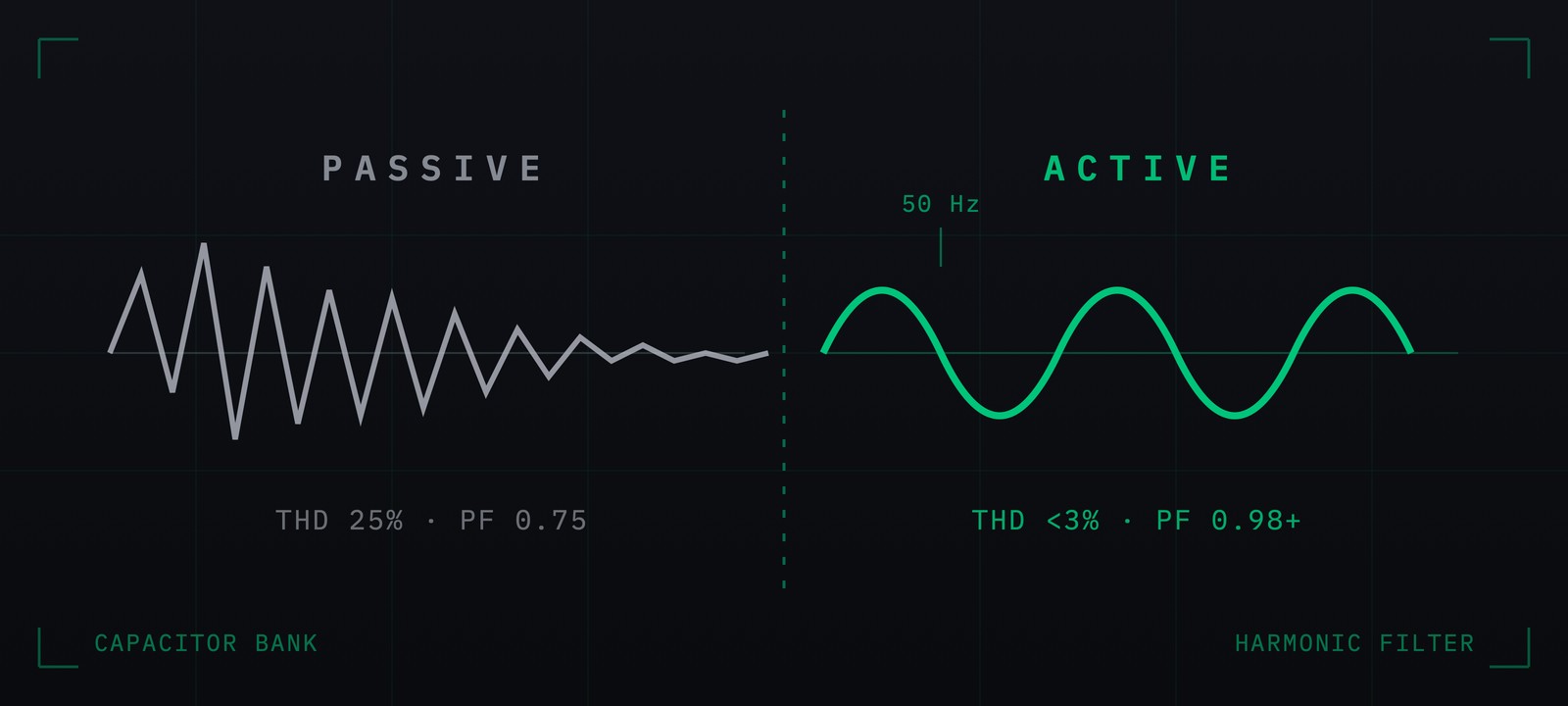 12 Jan 2026 · Technology · 8 minActive vs Passive Power Factor Correction: A Plain English GuideCapacitor banks, active filters and HarmoniQ all correct power factor. What separates them is everything else they do, and which lines of the bill they move.
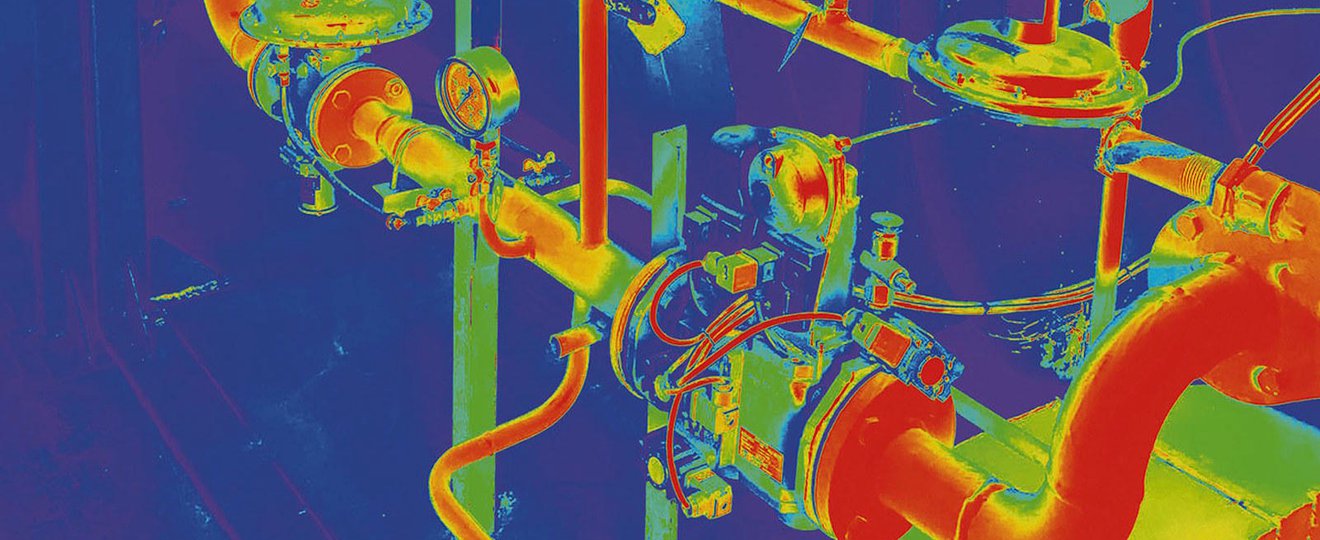 5 Jan 2026 · Equipment life · 10 min · InteractiveThe IEEE Arrhenius Rule: Why Every 10 °C MattersWhy every 10 °C of excess operating temperature halves insulation life, and what that means for your capital budget. Drag the curve, and switch a thermal view of a switchboard on and off.
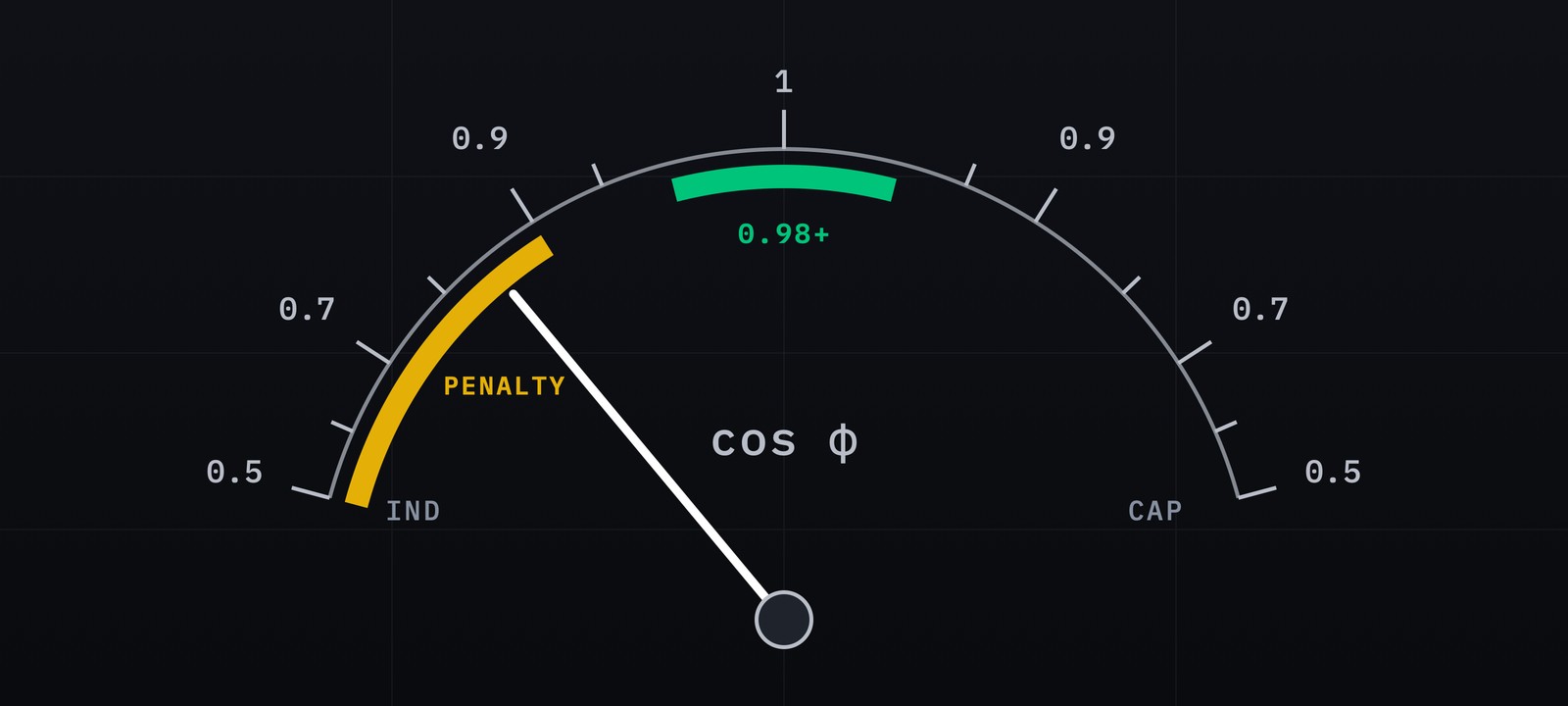 29 Dec 2025 · Power factor · 14 min · InteractivePower Factor Penalties: What Your Utility Isn't Telling YouUtilities charge for poor power factor in five ways, most of them invisible on the bill. How each works, where the thresholds sit, and a power triangle you can drag against them.
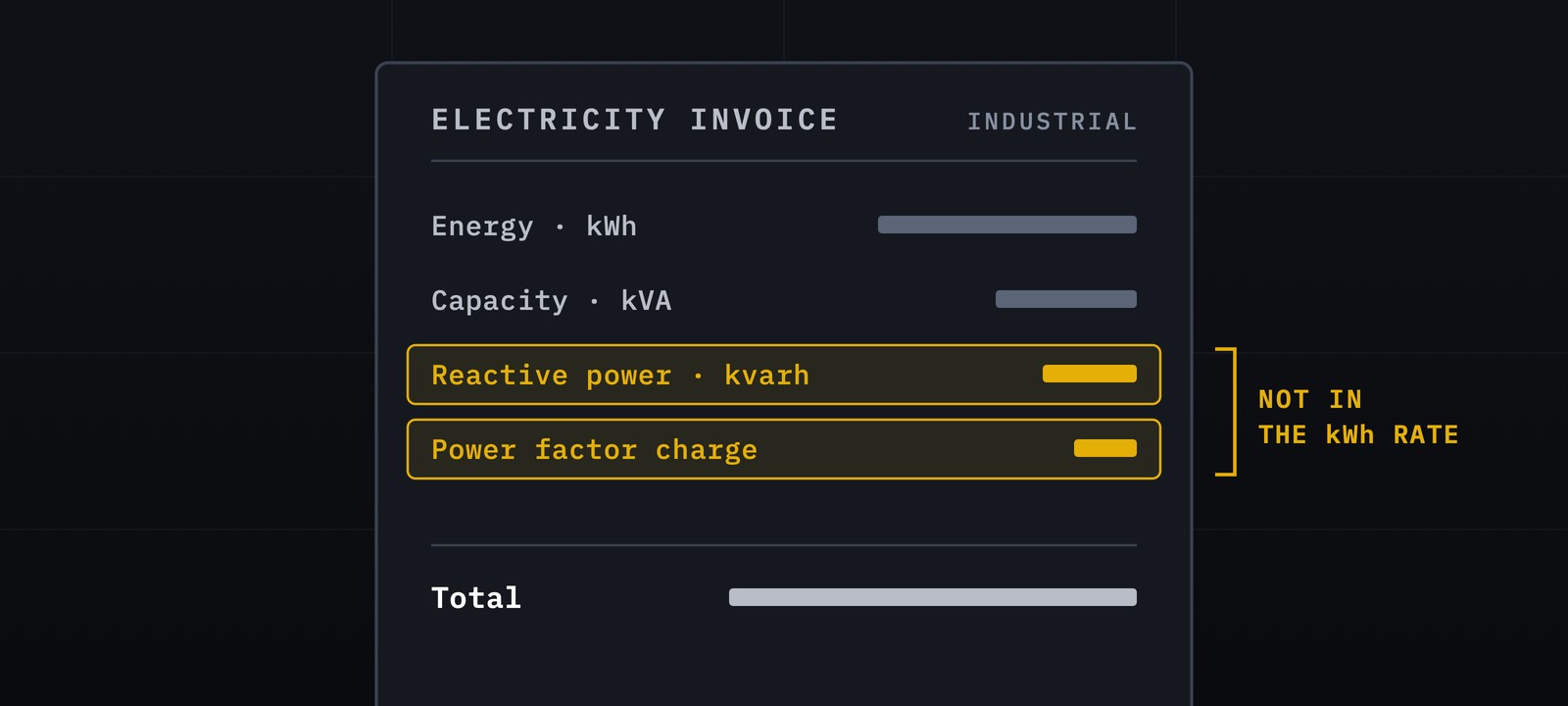 22 Dec 2025 · Power quality · 10 minThe Hidden Cost on Every Industrial Electricity BillMost facility managers know their kWh rate. Few know what reactive power adds on top. Where the cost hides, why it persists, and the three invoice lines that correction changes.
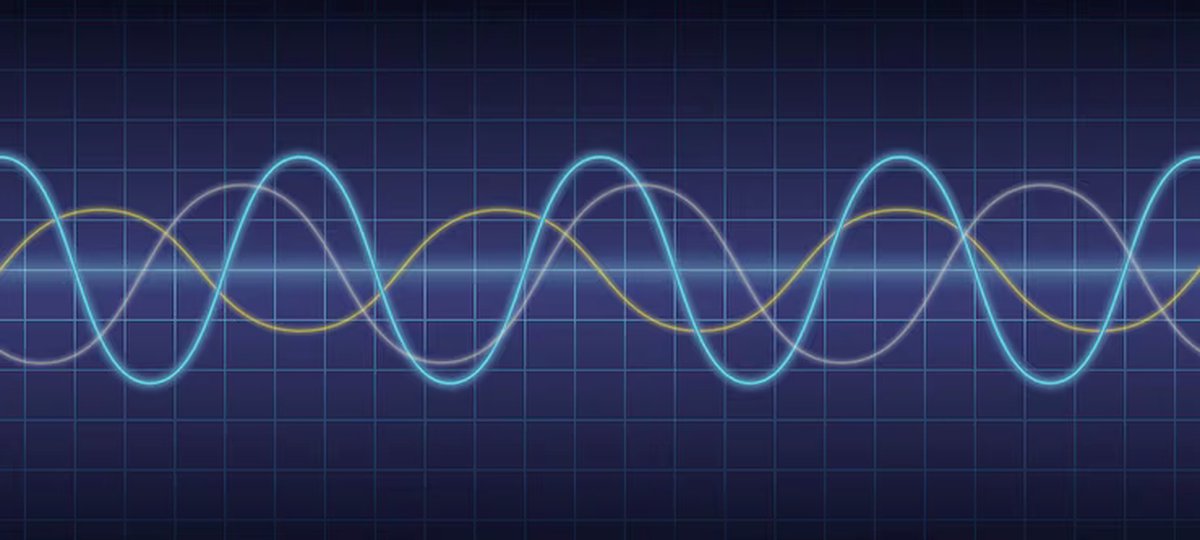 15 Dec 2025 · Technical reference · 8 minUnderstanding HarmoniQ: The Physics of Clean CurrentReactive power, harmonics and phase imbalance: what each costs, and how HarmoniQ’s Alpha, Delta and Sigma remove all three, with the standards the equipment is designed to meet.
 18 May 2026 · Regional insight · 9 minLatin America's Industrial Power Bill: Reactive-Power Floors and the Drought FactorIn Brazil and Colombia the reactive-power floor is written into the tariff, and hydro dependence makes the price of every kilowatt-hour move with the rains.
 11 May 2026 · Regional insight · 9 minNorth America's Industrial Power Bill: Demand Charges and the Data-Centre Capacity CrunchAcross the US and Canada, poor power factor and peak demand are billed line items, and a data-centre surge is making the spare capacity inside a building worth freeing.
 20 Apr 2026 · Regional insight · 9 minAsia-Pacific's Industrial Power Quality Challenge: Demand Charges and the Rooftop-Solar ParadoxAcross the Asia-Pacific, demand and reactive-power charges put a direct price on poor power factor, while the world’s highest rooftop-solar penetration makes power quality an everyday low-voltage problem.
 23 Mar 2026 · Regional insight · 9 minAfrica's Industrial Power Paradox: Why the Grid Tariff Hides the Real CostAcross much of Africa the published tariff is among the cheapest on earth, yet the real cost of power runs far higher, paid in diesel, downtime and damaged equipment.
 16 Mar 2026 · Regional insight · 12 minGlobal Electricity Prices: What Industrial Operators Pay Around the WorldIndustrial power prices differ many times over between markets, and within them. What drives the gap, and why the headline rate leaves out what power quality adds.
 9 Mar 2026 · Regional insight · 12 minThe Middle East's Industrial Power Challenge: Beyond Cheap ElectricitySubsidy reform, summer grids at their limit and 50 °C heat are changing the Gulf’s power economics. Why reliability and equipment life, more than the tariff, make the case for clean current.
 2 Mar 2026 · Regional insight · 12 minEurope's Industrial Energy Crisis: The Case for Power Quality InvestmentEurope’s industry pays two to three times the US price for electricity, by IEA and Eurostat figures, from an ageing grid growing noisier. Why the waste inside a plant’s own wiring now matters.
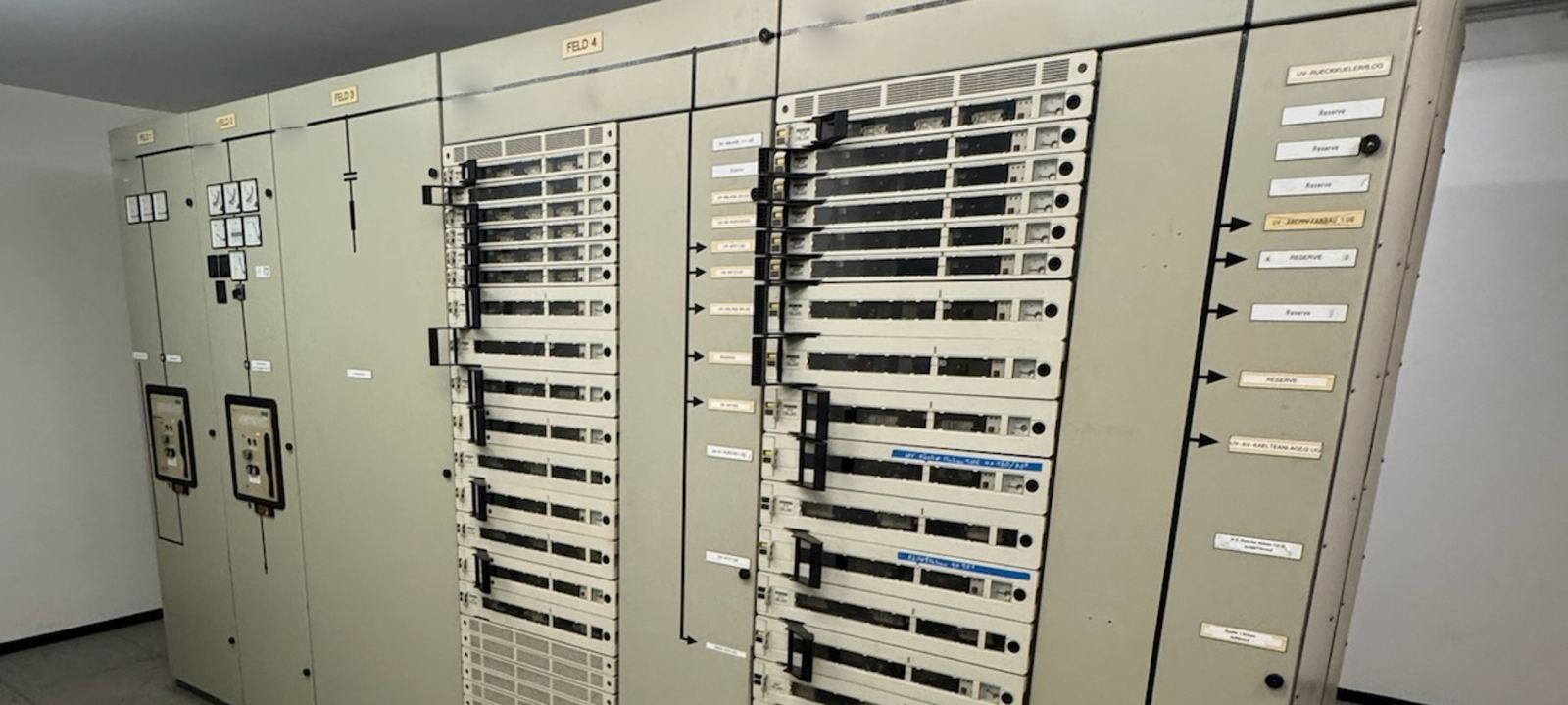 May 2026 · Standards · 5 minIEC 61439: Verifying Low-Voltage AssembliesWhat IEC 61439 covers, how design and routine verification divide the proof between original and assembly manufacturers, the ratings an assembly declares, and what to ask any supplier for.
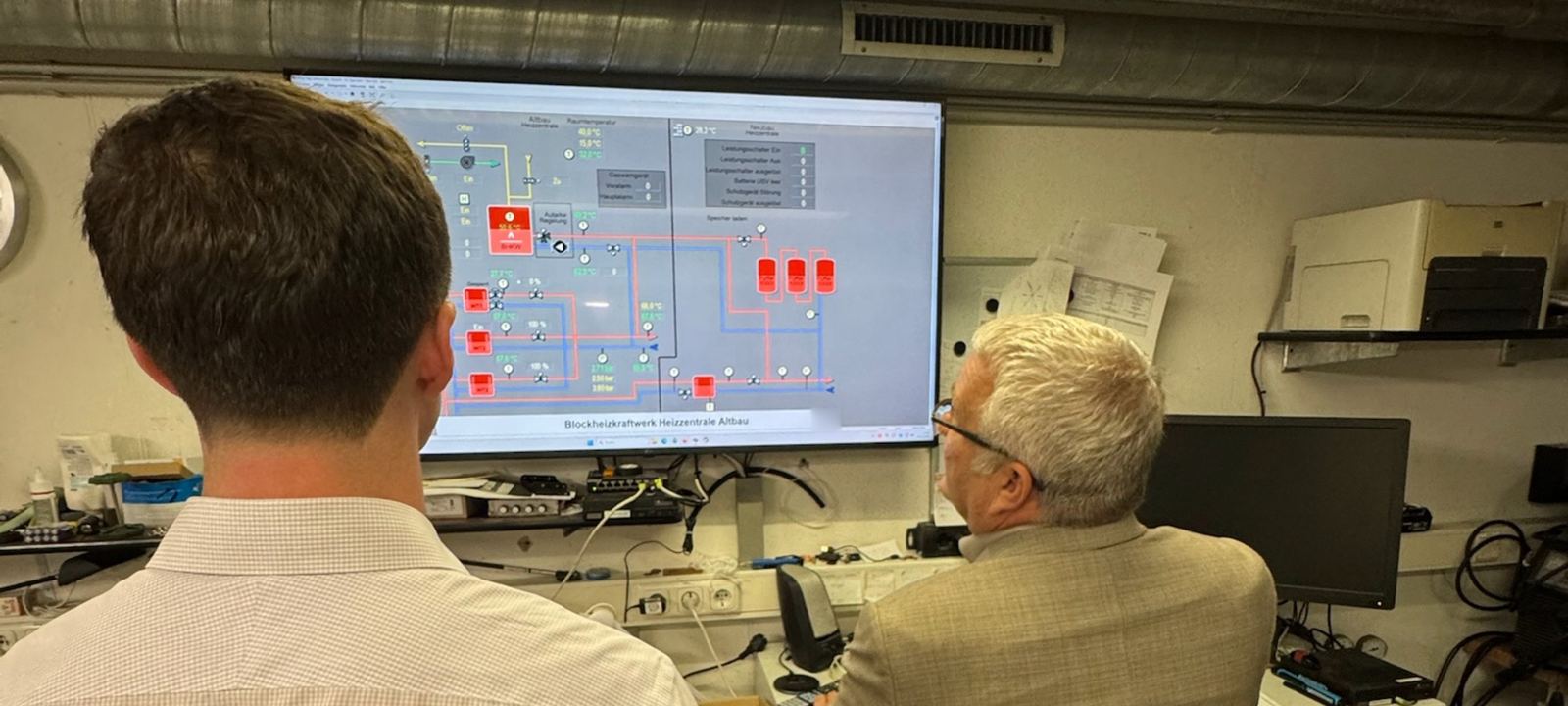 May 2026 · Standards · 5 minISO 9001: What a Quality Management System GuaranteesISO 9001 certifies a quality system, not a product. What the standard requires, who certifies to it, what the 2026 edition changes, and five checks for any supplier’s certificate.
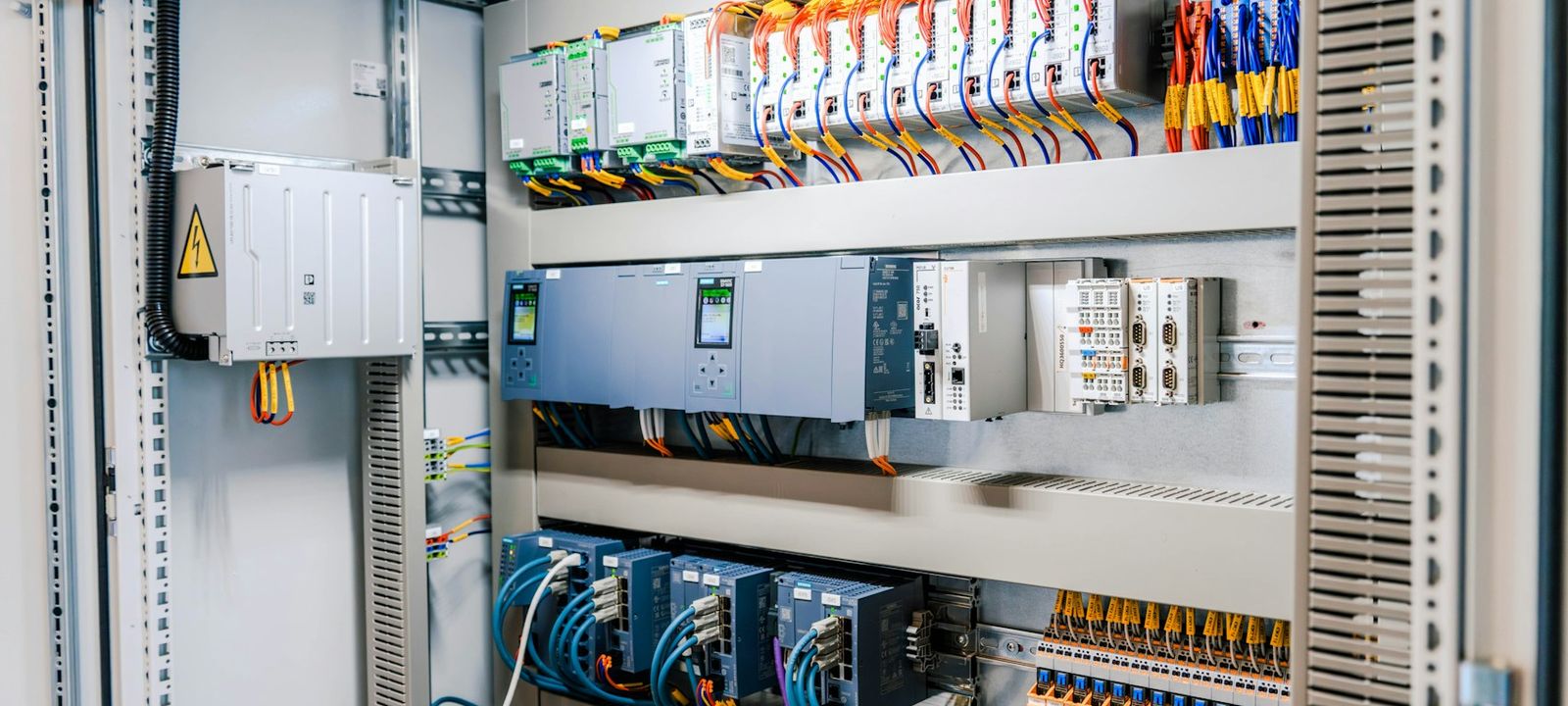 May 2026 · Standards · 5 minUL 508A: The Standard for Industrial Control PanelsThe US safety standard for industrial control panels turns on one number, the short-circuit current rating. What UL 508A covers, who certifies panels, and what to ask any supplier.
The Science Behind the Savings
Our calculations, models, and claims are grounded in internationally recognised engineering standards. Explore the key standards behind HarmoniQ's technology.
IEEE / IEC
IEEE 117 & IEC 60085 — Thermal degradation
The Arrhenius rule: every 10 °C rise above rated temperature halves insulation life. The foundation of equipment life extension modelling.
Our explainer →IEEE
IEEE 519-2022 — Harmonic control in power systems
The definitive standard for harmonic distortion limits. Sets voltage THD and current TDD limits at the point of common coupling.
Our explainer →IEEE
IEEE C57.110-2018 — Transformer derating under harmonics
How harmonic currents force transformers to operate at reduced capacity. Quantifies eddy-current and stray losses from non-linear loads.
Our explainer →NEMA
NEMA MG 1-2016 — Motors & generators
Performance standards for motors including insulation class ratings, temperature rise limits, and derating factors under non-sinusoidal supply.
Our explainer →IEC
IEC 61000 series — Electromagnetic compatibility
The international framework for harmonic emission limits (IEC 61000-3-2/3-12), power quality monitoring (IEC 61000-4-30), and measurement methods.
Our explainer →ANSI / IEEE
ANSI C12.1 & IEEE 1459 — Metering & power definitions
How utilities measure kWh, kVA, and kVArh — and why the distinction between real, reactive, and apparent power directly affects your bill.
Our explainer →