The Problem
Modern Buildings Create Modern Power Problems
Commercial buildings have never been more electrically efficient on paper — VFD-controlled HVAC, LED lighting with smart dimmers, high-density IT loads, and EV charging infrastructure. But every one of these technologies creates harmonic distortion that wastes energy and degrades the very systems designed to save it.
The result: inflated electricity bills, shortened equipment life, lift ride-quality complaints, and — critically — a neutral conductor fire risk from triplen harmonics that building managers rarely know about.
What Causes It
The Triplen Harmonic Problem
LED drivers and switch-mode power supplies generate triplen harmonics (3rd, 9th, 15th order) that don’t cancel in the neutral conductor — they add. In buildings with extensive LED lighting, neutral current can reach 1.5–1.7x the phase current, overheating conductors sized for much lower loads. This is a genuine fire risk.
VFDs on HVAC and lifts add 5th and 7th harmonics. EV chargers contribute rectifier harmonics at 60–70% THD per charger.
Why this affects property value + Read more− Close
Operating costs directly impact Net Operating Income (NOI), which determines property valuation through capitalisation rates. A 10–20% cut in energy use, plus the power-factor penalties and capacity charges that come off with it — up to 25% of the bill in total — capitalised at prevailing cap rates, translates directly into a meaningful uplift in property value. Upcoming EPC regulations (proposed minimum B rating by 2030) mean buildings with poor electrical efficiency face obsolescence risk. Power quality optimisation improves real energy performance, protecting long-term asset value.
The Solution
How HarmoniQ Works
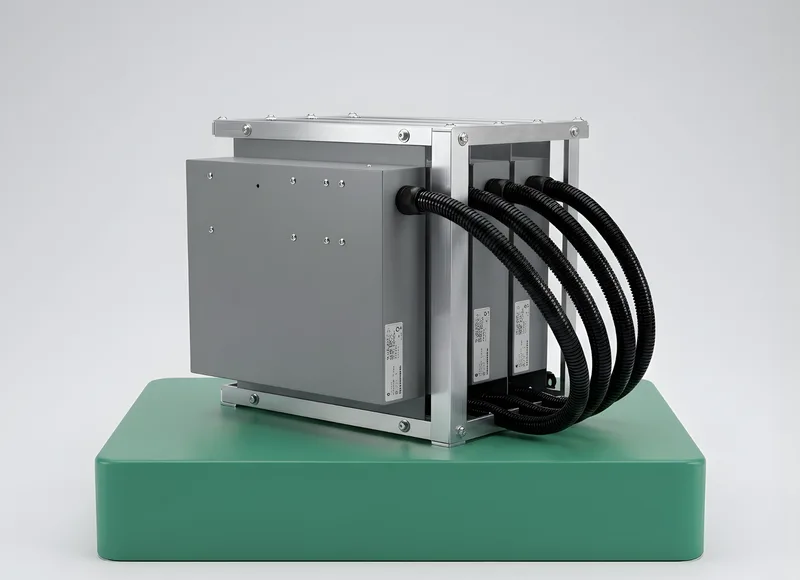
HarmoniQ uses narrowband tuning technology to maintain clean, efficient power across your building. Sampling 20,000 times per second, the system eliminates harmonic distortion that wastes energy, overheats conductors, and degrades equipment.
Stabilises voltage during chiller starts, lift operations, and EV charger cycling. Improves lift ride quality and eliminates LED flicker that affects tenant comfort.
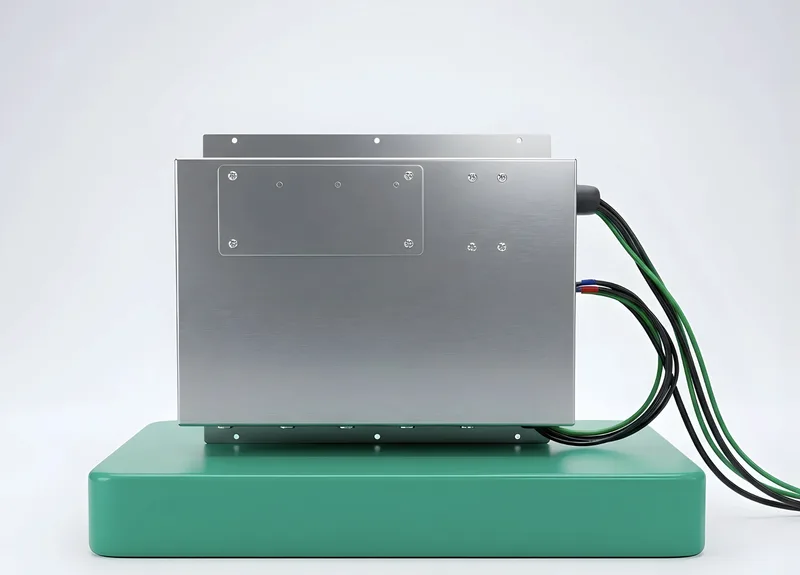
Eliminates triplen harmonics that overload neutral conductors — addressing a genuine fire risk. Reduces total THD below 5%, extending HVAC, lift, and LED driver life.
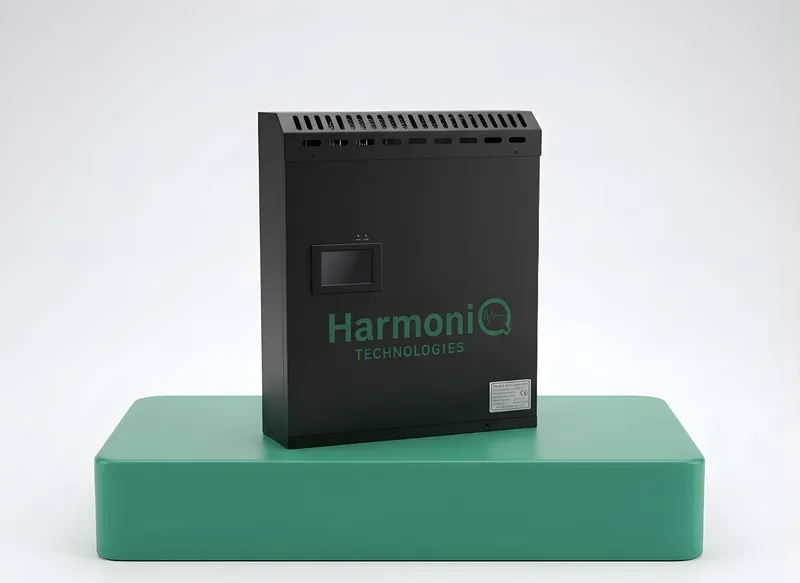
Corrects power factor to 0.98+, eliminating reactive charges and freeing transformer capacity for EV charging expansion without costly infrastructure upgrades.
The Impact
What This Means for Your Building
| Metric | Before | After HarmoniQ | Improvement |
|---|---|---|---|
| Power factor | 0.82 | 0.98 | +19.5% |
| Neutral overloading risk | High | Eliminated | — |
| Annual electricity cost | $152,000 | $114,000 | −$38,000 |
Every facility is different. Our engineers will model the exact savings, deployment costs, and timeline for your specific site — get in touch for a site assessment.
Beyond the Bill
Certifications, Safety & Future-Proofing
Power quality improvement contributes directly to BREEAM, LEED, and NABERS scores. It future-proofs your infrastructure for EV charging growth without switchgear upgrades.
Annual CO₂ reduction of 15–30 tonnes — equivalent to planting roughly 720–1,400 trees — supports your net-zero pathway and tenant ESG reporting.